


First examine site conditions
Plant length, width, and height, column locations, material‑loading direction, forklift routes, and stockyard positioning
 Tengsen Automation设备
When designing a wood veneer plant solution, the first step is not to choose a model but to assess the facility layout, wood specifications, board output direction, workforce positioning, and forklift routes. Only after aligning these factors should decisions be made regarding whether to use a veneer stacker, an integrated palletizing and stacking machine, an unmanned system, or a full-line solution.
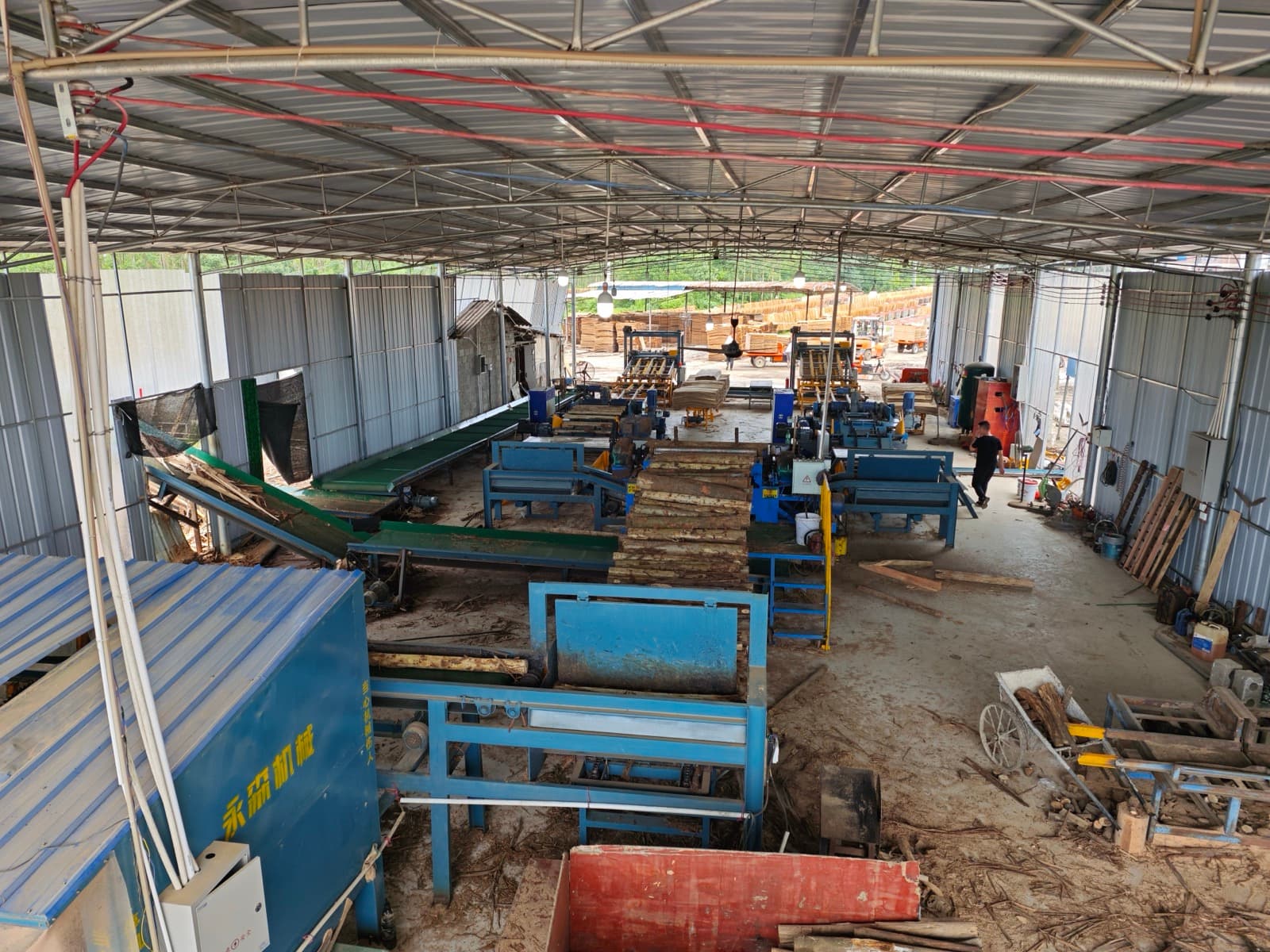
Suitable for newly built wood veneer plants or veneer core plants: first confirm the plant dimensions, material feeding direction, sheet discharge method, and forklift routes.
View detailsSuitable for sites downstream of veneer peeling where manual labor is intense, stacking is uneven, and secondary handling is frequent.
View detailsWe’ll assess the timing of the movements, the transitions between phases, and the forklift‑based material handling before deciding whether to proceed to detailed proposal discussions.
View detailsOn-site conditions, product specifications, and equipment combination
Plant length, width, and height, column locations, material‑loading direction, forklift routes, and stockyard positioning
Board sizes such as 97,127, and 121, along with thickness, wood species, and target capacity.
How to integrate an automatic veneer stacker, a palletizing and stacking integrated machine, and an unmanned startup and conveying module.
First select the product series, then filter by new plant planning, existing plant renovation, upstream feeding, or downstream stacking to quickly identify your priorities.
Filter by product series, application scenarios, and solution priorities.
It is advisable to first address the issues of high labor intensity in veneer receiving and stacking, uneven stacking, material‑waiting delays, and the forklift‑guided delivery system.
Ideal for wood veneer plants that wish to integrate veneer receiving, stacking, sorting, grouping, and gantry palletizing into a single process, thereby reducing secondary handling.
Suitable for addressing challenges such as difficulty in recruiting operators, high loading intensity, long rotary cutter waiting times, and the need to manage multiple machines per person.
Ideal for new plant planning or upgrading existing facilities to address bottlenecks in the upstream stages, allowing logs, wood cores, bark, and waste to each follow their own dedicated pathways.
Production processes, selection criteria, installation and maintenance, and common issues correspond to the key points that should be understood before making a choice.
String together log feeding, cutting, rounding, peeling, conveying, stacking, and palletizing into a steady rhythm, and have the customer first assess whether upstream and downstream processes will create waiting bottlenecks.
Start readingEquipment SelectionFirst assess the wood type, sheet specification, workshop size, board discharge direction, and target capacity, then decide how to combine stacking, palletizing, unattended start‑up, and conveying components.
Start readingInstallation and maintenanceKey considerations include foundation leveling, equipment centerlines, conveying rhythms, safety passageways, forklift logistics, and maintenance of wear‑prone components, minimizing post‑installation adjustments.
Start readingFrequently Asked QuestionsAddressing the most frequently asked questions before customer consultations regarding automatic veneer stackers, palletizing and stacking integrated machines, 97/121/127 specifications, old plant renovations, plant dimensions, installation, commissioning, and service scope.
Start reading